
Is a Used Snow Blower a Smart Buy or a Hidden Risk
Learn the pros and cons of buying a used snow blower, a step-by-step inspection checklist, key questions to ask the seller, and when purchasing new is the smarter choice.
 By Harry
Updated October 1, 2026
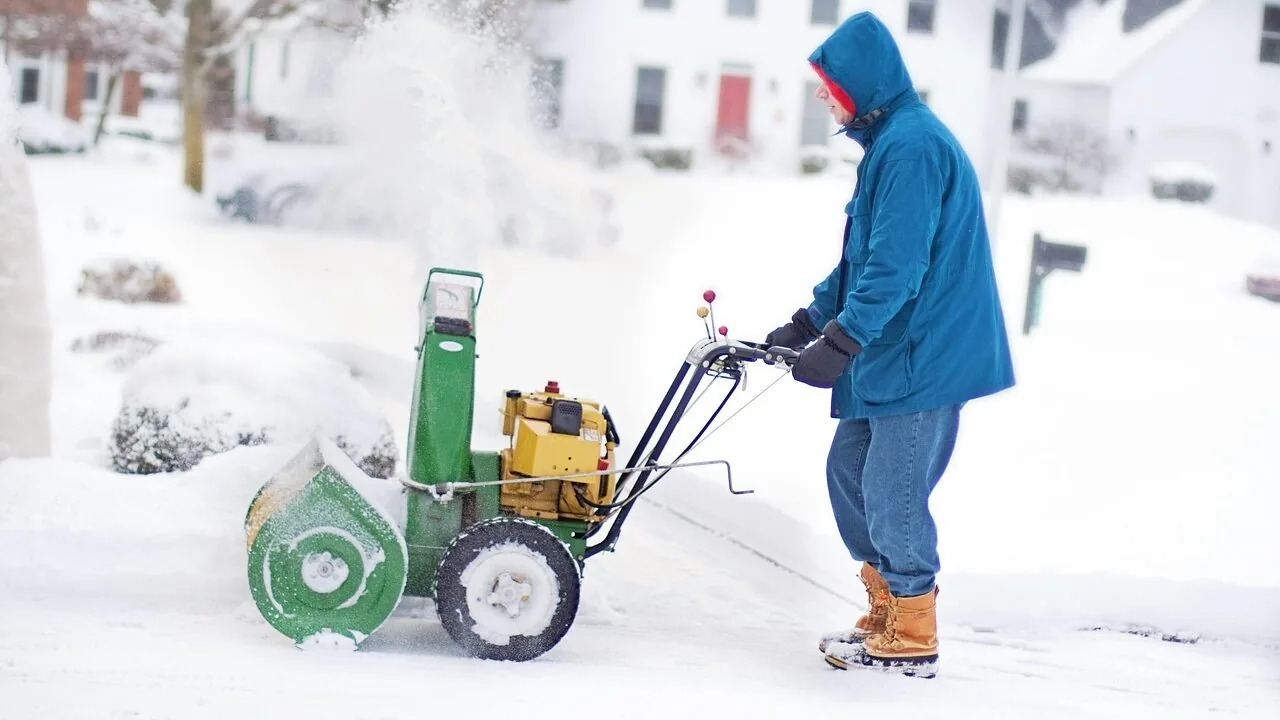
Buying a used snow blower can save you hundreds of dollars compared to a new model, but the potential for hidden repairs and short lifespan makes it a gamble.
Many homeowners consider the secondhand market when their budget is tight or they want a heavy duty machine without the full price tag. However, without a careful inspection, that bargain can quickly turn into a money pit.
This guide will walk you through the advantages and downsides of buying used, a step by step checklist to evaluate any machine, and the questions you need to ask the seller before handing over cash.
You will also learn when spending extra for a new unit is the smarter long term investment. For a broader overview of what to look for in size and power, see our article on choosing the right snow blower size.
Pros and Cons of Buying a Used Snow Blower
Advantages
- Lower upfront cost. You can often get a capable two stage machine for half the price of a new equivalent. That frees up money for maintenance or a better model grade.
- Access to older robust models. Some older gas snow blowers were built with heavy gauge steel that newer budget models lack. If you find a well maintained classic, it may outlast a cheaper new unit.
- Depreciation already happened. New snow blowers lose value fast once used. Buying used means you take less of a hit if you sell it later.
Drawbacks
- Unknown history. Even with a trial run, you cannot be sure how often the oil was changed, if the carburetor was left with old fuel, or if the machine was stored outdoors. These factors often lead to early failures.
- Worn parts need replacement soon. Belts, scraper blades, rubber paddles, and shear pins are wear items. You may need to spend another hundred dollars shortly after purchase.
- No warranty or support. Most used sales are as is. If the engine goes after a few hours, the repair cost can exceed the purchase price.
Understanding the trade off between single stage and two stage models is also important because the complexity of each type affects how easily you can repair a used machine.
Step by Step Inspection Checklist
Before you buy any used snow blower, take the time to check each component. This is not a guarantee against future problems, but it greatly reduces the risk. If possible, ask the seller to let you start the engine cold.
Engine and Controls
- Check the oil. It should not look milky (water contamination) or smell of gasoline. Pull the dipstick and wipe it.
- Start from cold. If the engine starts on the first or second pull or turn of the key, that is a good sign. Choke operation should be smooth.
- Listen for knocking, smoke, or erratic idle. Let it run for a few minutes to warm up and see if it stalls.
- Check all controls: auger engage, drive engage, chute rotation, and deflector adjustment. They should operate without sticking.
Auger, Scraper Blade, and Shear Pins
- Inspect the auger for bent or broken flights. Even one bent fin can cause imbalance and poor throwing.
- Look at the scraper blade (the metal or rubber strip at the bottom). If it is worn to less than 1/4 inch, you will need to replace it soon.
- Check that shear pins (small bolts on the auger shaft) are present and the correct type. Missing or replaced with regular bolts can damage gearbox.
Belts and Chute
- Listen for squealing when engaging auger or drive. That often indicates a worn or oil soaked belt.
- Turn the chute manually and with the crank. It should rotate 180 degrees without binding. Cracks in plastic chutes can lead to snow leakage.
Tires and Frame
- Check tire tread depth and sidewall condition. Replacements are not expensive, but add cost.
- Look for rust on the frame, especially near axle mounts and the handle area. Surface rust is okay; deep rust that flakes or creates holes is a structural risk.
Battery Health for Cordless Models
- If the snow blower is cordless, ask the seller to show the battery fully charged and run the machine for a minute. Old batteries lose capacity and are expensive to replace.
- Check for swelling or damage on the battery pack. Avoid units that require a discontinued battery system.
For a deep dive into electric options, see the article on battery powered snow blowers, particularly if you are considering a used cordless model.
Key Questions to Ask the Seller
- How long have you owned it, and why are you selling? If the answer is vague or the seller admits the machine is unreliable, walk away.
- Was it stored indoors or in a shed? Outdoor storage accelerates rust and carburetor problems.
- Have you changed the oil annually and used fuel stabilizer? Good maintenance patterns indicate less wear.
- When were the belts and shear pins last replaced? A seller with receipts is a plus.
- Can I see it run and blow some snow? Even a small pile of snow on a driveway reveals how well the auger and impeller work.
If the seller fails to answer these clearly, consider that a red flag and look for another listing.
When Buying New Makes More Sense
There are situations where a used machine is simply not worth the risk. If you live in an area with heavy, wet snow or long driveways, reliability is critical. A breakdown mid storm is miserable.
New units come with a manufacturer warranty, no hidden wear, and modern features like heated grips and electric start that are less common on older used models.
If you compare the cost of a used machine plus likely immediate repairs (belts, scraper blade, carburetor cleaning) against a sale priced entry level new model, the difference shrinks.
For a clearer picture of what different prices offer, check our breakdown of pricing tiers for snow blowers.
Also, if you have never owned a snow blower, starting with a new unit and following the owner manual closely gives you a known baseline. You can then sell it in a few years with a full service history.
For a list of recommended machines, see our collection of snow blower reviews.
Frequently Asked Questions
How many hours should a used snow blower have?
Most residential snow blowers do not have hour meters, so you gauge wear by visual condition and how the engine sounds. Ask when the unit was last serviced.
Can I fix a used snow blower myself?
Basic maintenance like changing oil, belts, and shear pins is doable with common tools. Engine overhauls or gearbox repairs are usually not cost effective. If you are not handy, factor in professional repair costs.
What is the best brand to buy used?
Brands like Husqvarna, Toro, Ariens, and Honda have strong reputations for longevity. However, condition matters more than the nameplate. Even a premium brand that was abused can be a poor buy.
Should I buy a used gas snow blower or a used cordless one?
Cordless models are simpler with fewer parts, but battery degradation is a major issue. If the battery is proprietary and discontinued, the machine is essentially worthless. Gas units are more repairable but require more upkeep. Our gas snow blower resource can help you compare.
What is the maximum age I should consider?
For gas machines, anything older than 10 to 15 years may have parts availability issues. For cordless, a battery older than 3 to 5 years often has significantly reduced capacity. Inspect thoroughly before buying.
About the author

Harry writes reviews and buying guides for Snow Removal Wiki.